The Grand Affair

The Grand Affair
My dearest,
I write to you not as a steward, nor as a master, but as something far more fragile—your wayward partner. We called our affair with industry progress. We called it growth. We called it civilization. But now, standing within the ruins, we understand what it truly was: neglect disguised as ambition.
We built systems that measured success in extraction. We elevated production over presence, efficiency over reverence. We convinced ourselves that the rising curve of GDP could replace the rising mist over forests, that convenience could substitute for connection. In doing so, we reduced you—vast, complex, alive—to a backdrop. A resource. A supply chain.
And we took you for granted.
We forgot that the air we refine in machines was first breathed into being by your forests. That the water we channel through infrastructure once flowed freely through your veins. That the ground we built upon was never inert—it was listening, holding, remembering. We acted as though we had outgrown you, as though our technologies had liberated us from your rhythms.
We were wrong.
Your response has not been sudden. It has been patient, then firm, then undeniable. You did not raise your voice at first—you shifted. You warmed. You altered the balance. But we did not listen. So you spoke more clearly.
You sent heat that lingered beyond endurance—heat domes that pressed down like the weight of our own excess. You sent waters that would not be contained—floods reclaiming the spaces we insisted were ours. You ignited the forests we had fragmented—fires that moved with a force we could neither predict nor control. Storms grew more violent, more erratic, as if mirroring the instability we had introduced. And in other places, you withheld entirely—droughts that cracked the earth and exposed the illusion of permanence.
We called these events disasters.
But now we understand them as language.
They are not punishments in anger, but consequences in truth. They are your way of rebalancing what we have distorted. They are the expression of a system correcting itself, even if it means unsettling us. And for the first time, we are beginning to listen—not out of curiosity, but out of necessity. Out of humility.
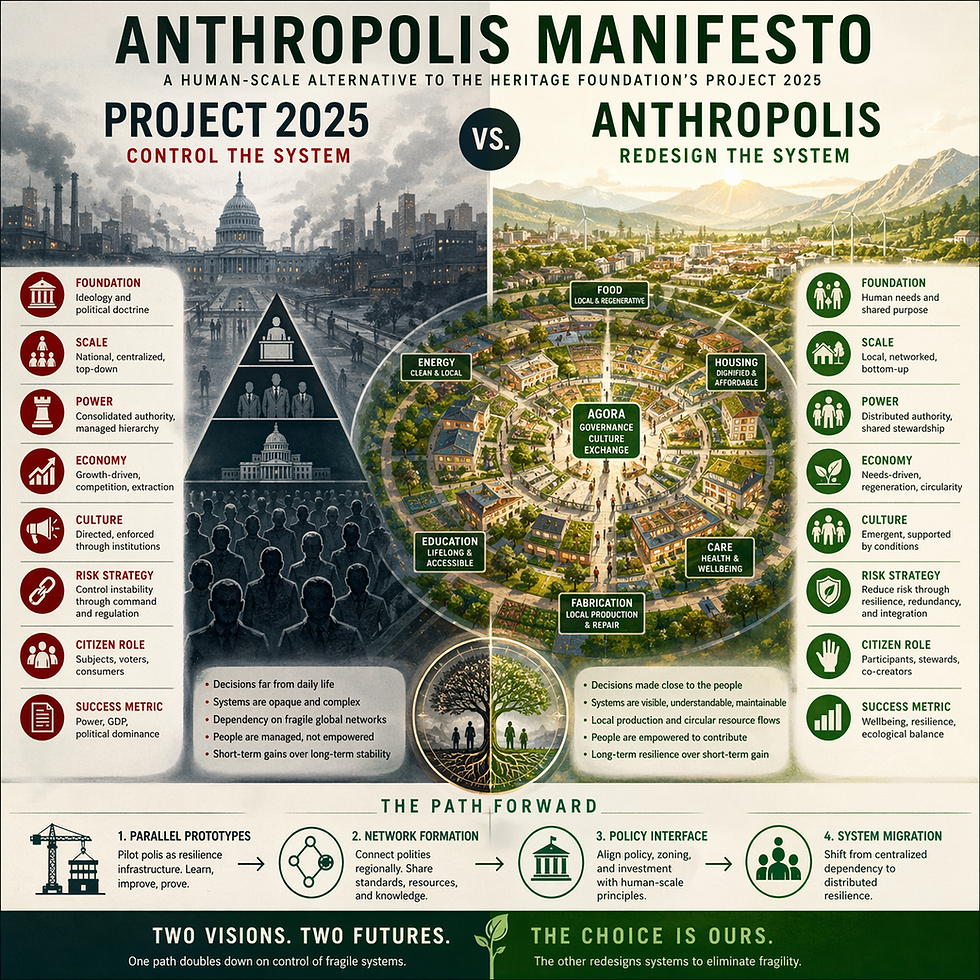
Here in Anthropolis, we are trying to remember how to be with you again.
We design not to dominate, but to align. We shape our structures to follow your contours, to sit within your landscapes rather than overwrite them. We study light as it moves across your surfaces, water as it flows through your terrain, air as it carries temperature and life. We are learning, slowly, that harmony is not aesthetic—it is survival.
But even this feels insufficient as an apology.
Because what we have broken cannot be repaired by design alone. What we have taken cannot be returned in full. Entire ecosystems bear the imprint of our disregard. Entire climates carry the inertia of our choices. And still, we ask.
We ask for your forgiveness.
Not because we deserve it, but because we cannot continue without you. We ask to be welcomed back—not as rulers, but as participants. As one life among many, bound by the same conditions, dependent on the same cycles. We ask to feel again what we once ignored: the quiet intelligence of your systems, the generosity of your abundance, the boundaries we must not cross.
We do not expect immediate grace.
We expect to earn it.
If you allow us, we will change how we measure value. We will no longer prioritize endless growth over enduring balance. We will abandon the illusion that consumption defines prosperity. We will listen when you speak—whether through the stillness of a forest or the force of a storm.
We miss you.
Not as scenery, but as home.
And if there is still a place for us within your embrace, we will come back differently—humbled, attentive, and finally aware that we were never separate from you to begin with.
Always yours,
Humanity